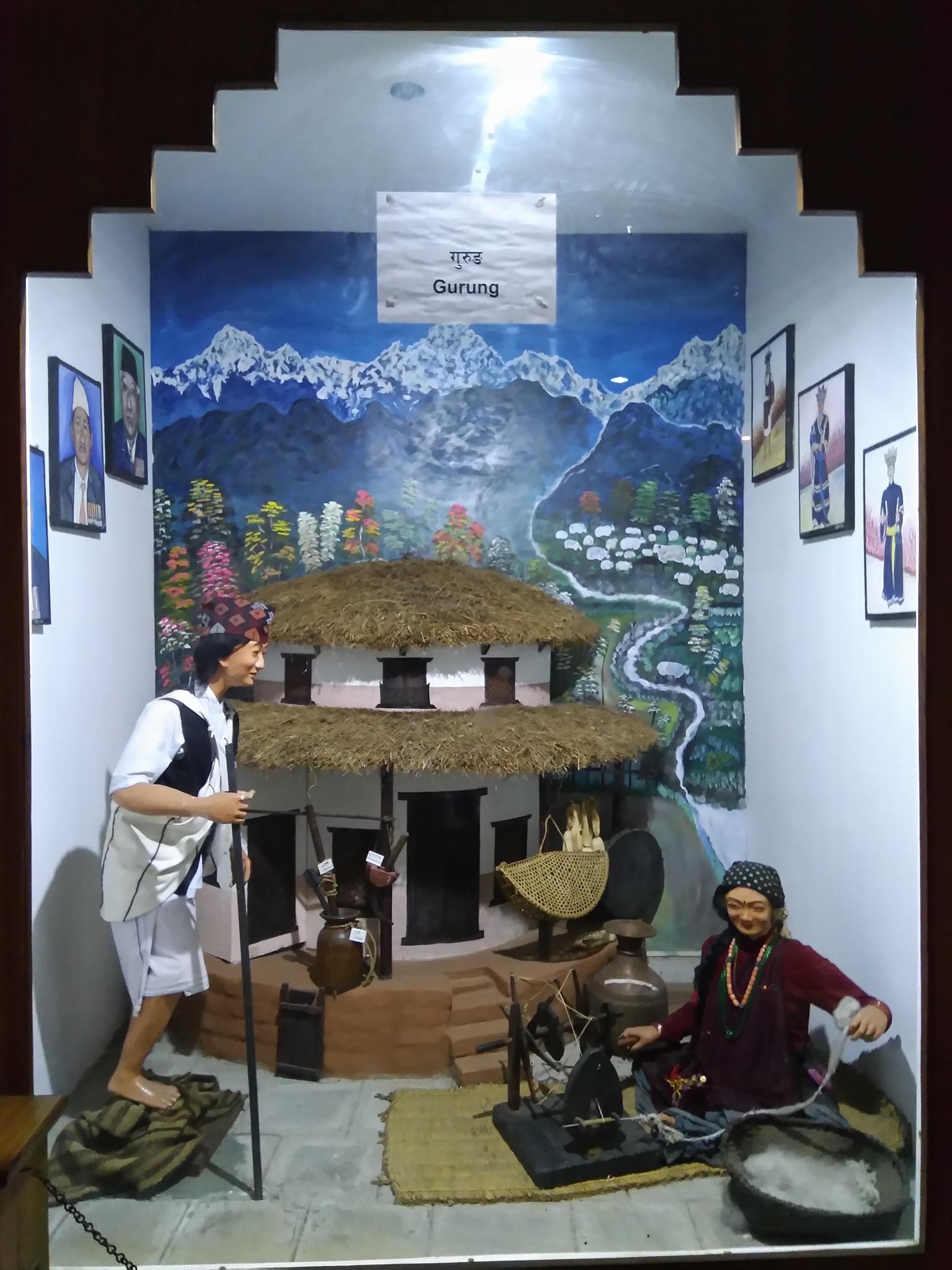
Many hands for a demanding task
Harrison and Macfarlane describe communal work parties for fields, carrying from forests and house construction. Groups could be assembled through payment or exchange, and their film notes place a documented example in the 1990s. Work that is difficult for a single household becomes possible by coordinating several people. The arrangement also creates obligations: a day spent helping one family can be connected to help received at another time.
Exchange is not identical to wage work
The book distinguishes assembling workers on an exchange basis from hiring them. Both involve cooperation, but the relationship is different. Wage payment settles a job through money; reciprocal labour connects present help with a continuing social relationship. A historical village could use both rather than following one pure system. This distinction matters when discussing migration and labour shortages, because substituting paid workers changes more than the number of people available.
Rodhi and practical cooperation
The guide connects Rodhi groups with cooperation as well as evening sociability. Young people who sang or visited together could also work together, and some household tasks could be performed during a gathering. Its account challenges a strict separation of labour and leisure: music and joking could accompany work, while evening sociability might include processing beans or wool. Panta’s Ghandruk research adds a later, locally situated discussion of transformation rather than proving that all Rodhi institutions followed the same pattern.
Household labour can be overlooked
Collective field work is visible, but cooking, preparing food for workers, tending children, fetching water and maintaining a house are also necessary. The guide makes the sustained workload of women and older family members visible, even though some of its characterisations reflect the assumptions of its time. Cooperation should not be romanticised as proof of equal burdens or universal harmony. A fuller account asks who organises a task, who benefits and whose contribution is not counted as public work.
Continuity through different forms
Families who move to a town or abroad can continue coordinating help through relatives and village associations, even when fewer people exchange field labour. Historical sources show why such relationships matter without establishing that one institution survives everywhere unchanged. A local description should identify the task, participants, payment or exchange arrangement and period. That level of detail makes cooperation understandable as actual practice rather than a vague claim that all Gurungs are naturally communal.
Sources & further reading
1The World of the Gurungs
Longitudinal ethnographic book and film notes · Page-level claim citations not yet suppliedA Guide to the Gurungs (online draft; differs from published edition)
Ethnographic guide · Page-level claim citations not yet suppliedIndigenous Rodhi Culture of Gurung and Factors of its Transform at Ghandruk Kaski in Nepal
Local cultural research · Page-level claim citations not yet suppliedHeritage grows through conversation.
Know a different local account, or spotted something that needs correcting?
Share your knowledge