A language rooted in villages
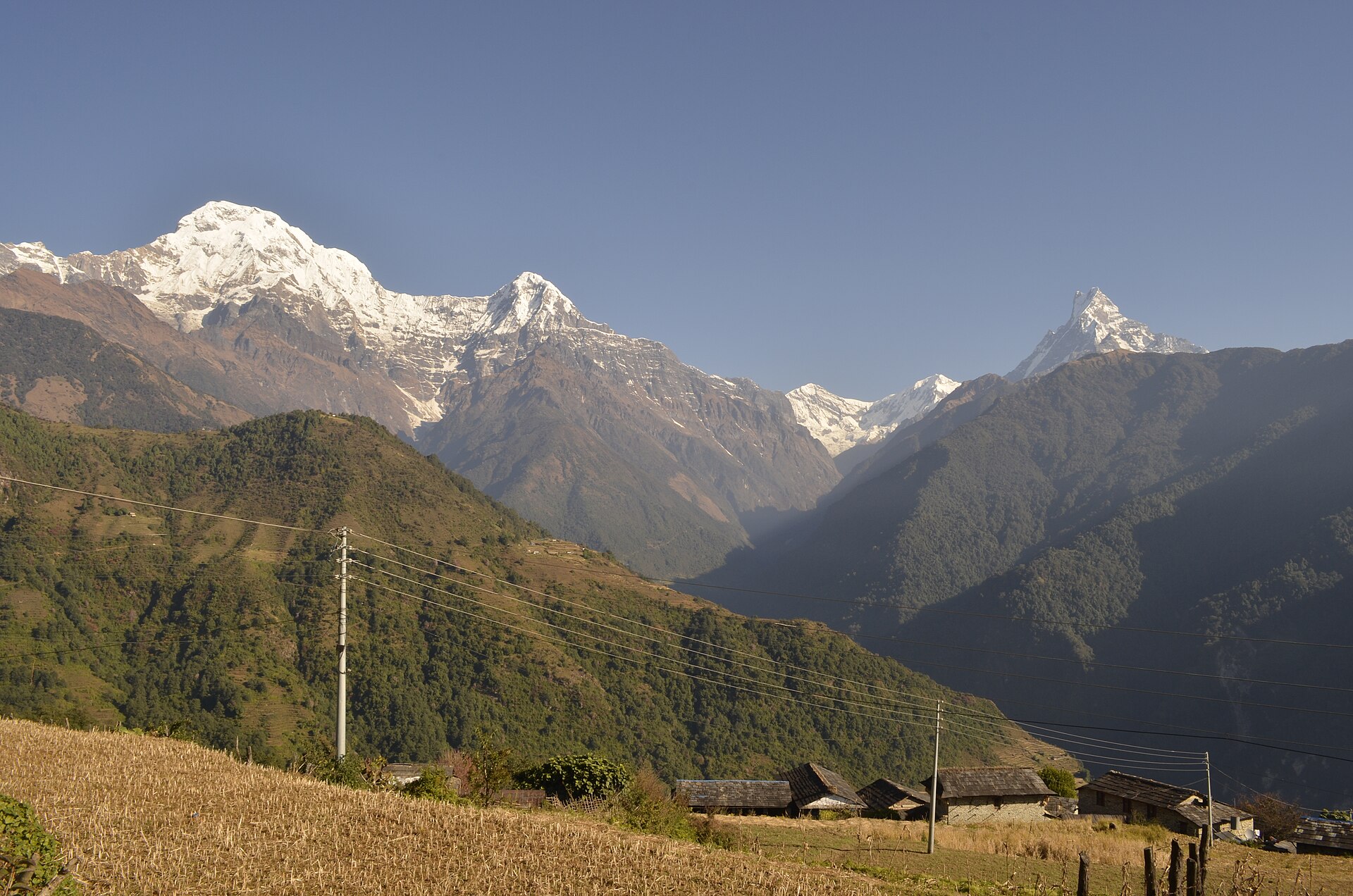
The Endangered Language Alliance reports that Gurung community members associate distinctive speech varieties with individual villages. Its overview mentions a map in the Sikles Eco Museum showing close to one hundred villages, each potentially associated with a local variety. This is not a measured count of one hundred separate languages. It illustrates how language knowledge can be linked to family origin and landscape, and why a dictionary entry needs more context than simply “Gurung”.
Eastern and western Gurung
Early work summarised by ELA grouped Gurung varieties into fourteen dialect groups and two larger divisions, East Gurung and West Gurung. ELA also reports that a 2015 sociolinguistic survey found the east–west division and claims of mutual unintelligibility weaker than earlier accounts suggested. Glottolog records the merging of the former Eastern Gurung ISO identifier into gvr. These are changes in description and cataloguing, not evidence that village differences disappeared or that every speaker understands every variety equally well.
Tone is part of language structure
ELA’s bibliography includes work on Gurung tone from the 1950s onward, a guide to tone by the Glovers, and a later analysis of register and contour pitch. Tone concerns patterned distinctions in the sound of words, rather than merely the emotion of a sentence. ELA’s Sikles project includes Danielle Ronkos’s research on tone and contrastive voicing. A dependable pronunciation guide would therefore require actual speaker recordings and linguistic analysis; approximating every word through English spelling would leave out important distinctions.
Contact with Nepali
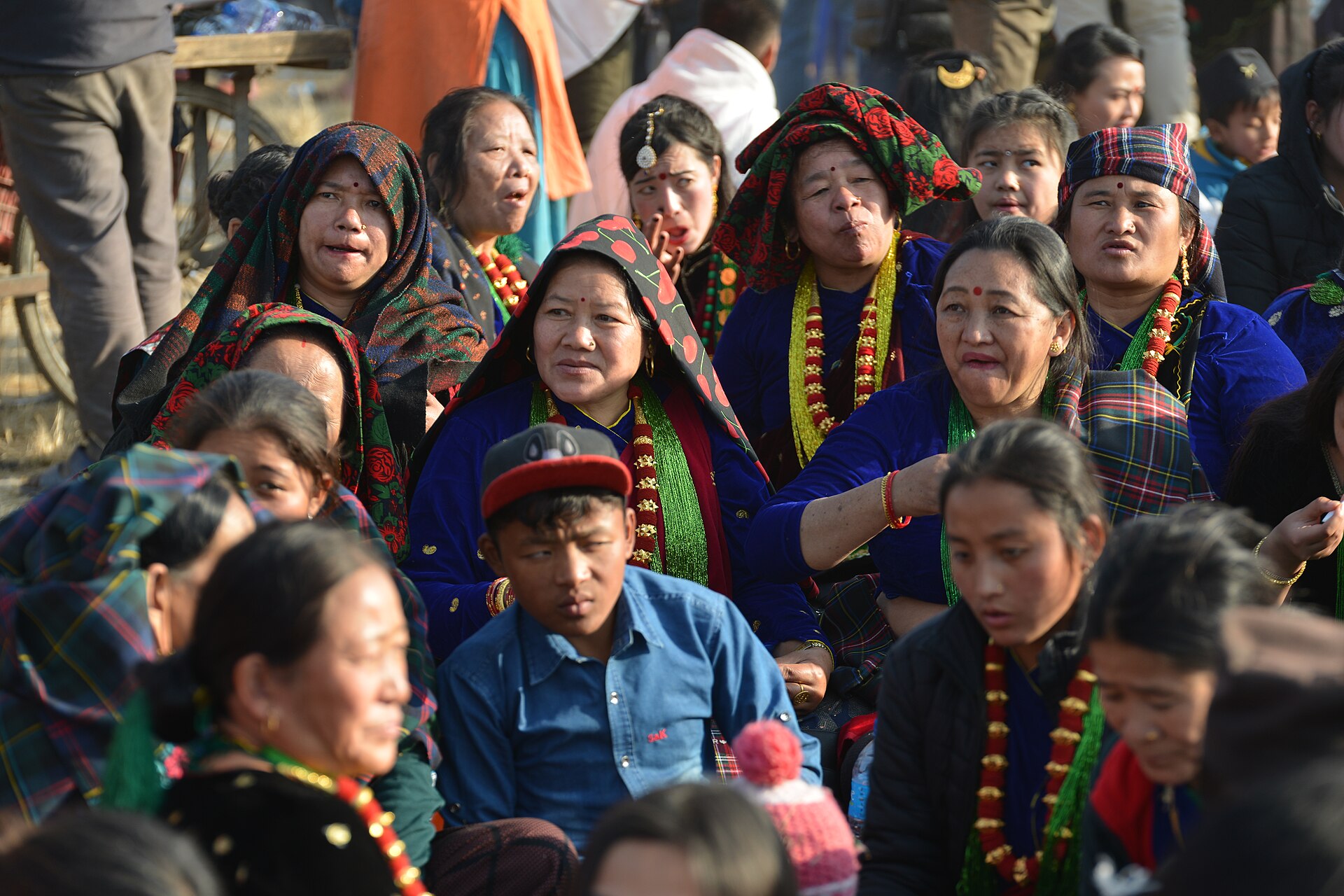
ELA places Gurung in the Tamangic group and notes relationships with Tamang, Thakali, Manange, Nar Phu and Chantyal. It also describes centuries of contact with Nepali, an Indo-Aryan language, and widespread bilingualism among Gurung speakers. Speaking Nepali does not make someone less Tamu, but a shift toward Nepali as the main language of home and school can change which Gurung expressions children learn. Linguistic relationship, bilingual ability and ethnic belonging are related questions, not interchangeable labels.
How regional knowledge can be recorded
A useful word record names the speaker, village or variety, meaning and context of use. Different pronunciations should be retained rather than silently corrected into a single form. ELA’s work with Sikles speakers offers a documented example of this approach: spoken texts, dialogues and interviews support both grammatical research and a developing lexicon. The material described here is an introduction to that work, not a claim that a complete community-approved standard dictionary already exists in this archive.
Sources & further reading
1Gurung: background, dialect research and documentation in New York
Language documentation organisation · Page-level claim citations not yet suppliedGurung (guru1261)
Linguistic catalogue · Page-level claim citations not yet suppliedHeritage grows through conversation.
Know a different local account, or spotted something that needs correcting?
Share your knowledge