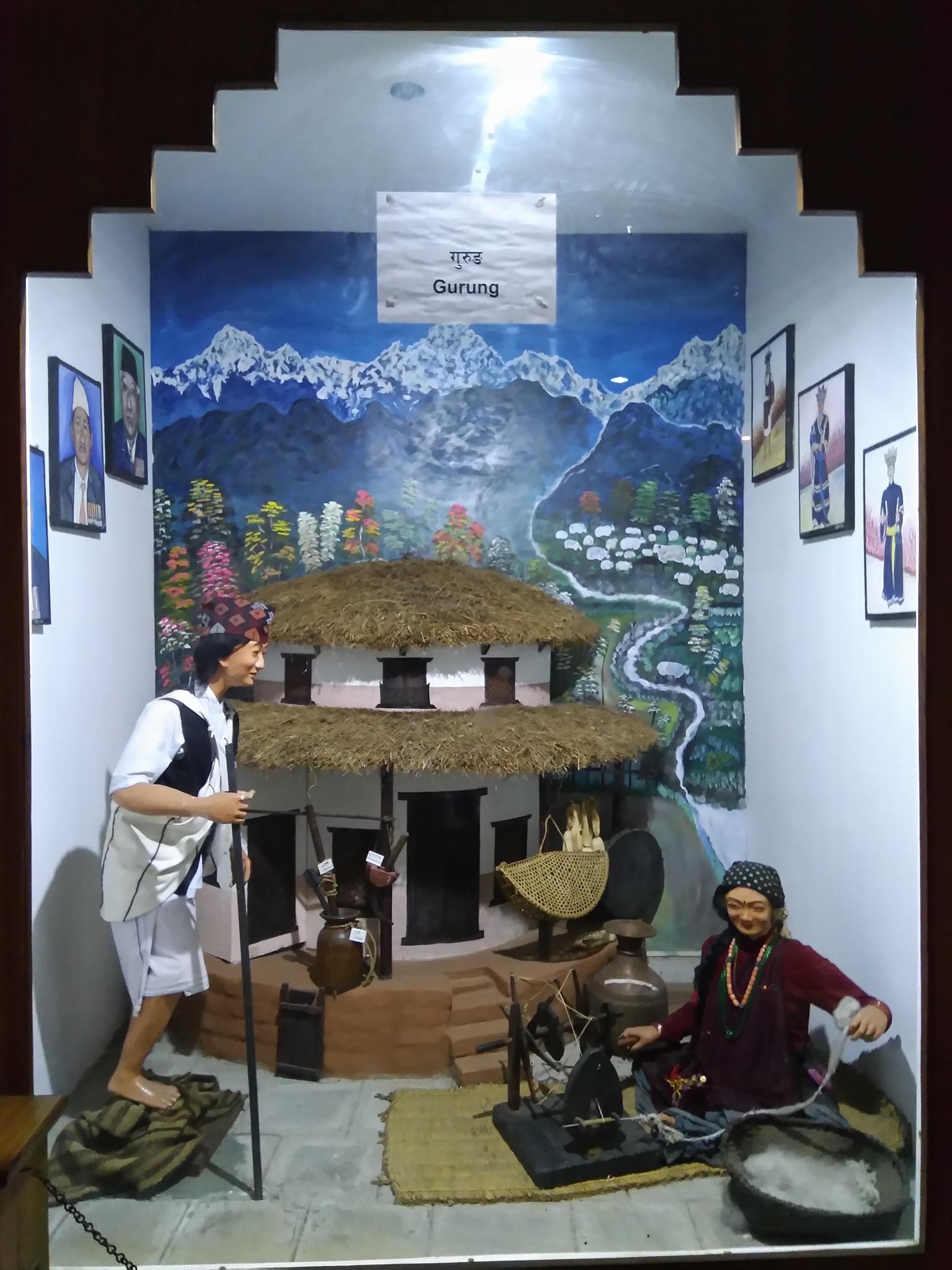
Two names, many experiences
Gurung and Tamu appear together in scholarly writing, including Judith Pettigrew’s account of Tamu (Gurung) ritual life. Their use should not be reduced to a simple story of one name replacing another on a known date. Self-identification is shaped by personal experience, local usage and the settings in which people describe themselves.
Belonging in a changing world
Florence Gurung’s research in Britain examines how religious practice and community institutions participate in ethnic belonging. Family connections, ancestral places, language and ritual can all matter, but people do not necessarily share the same religious commitments or everyday cultural practices.
A note on interpretation
This introduction does not propose one universal model of Tamu identity. Community accounts and historical records need to be read alongside one another, with attention to region, generation and the context in which an ethnic name is used.
Sources & further reading
1Parallel Landscapes: Ritual and Political Values of a Shamanic Soul Journey
Ethnographic research · Page-level claim citations not yet suppliedReligion and Ethnic Identity: Gurung Experiences of Belonging in the UK
Oxford doctoral thesis · Page-level claim citations not yet suppliedHeritage grows through conversation.
Know a different local account, or spotted something that needs correcting?
Share your knowledge