Running the household
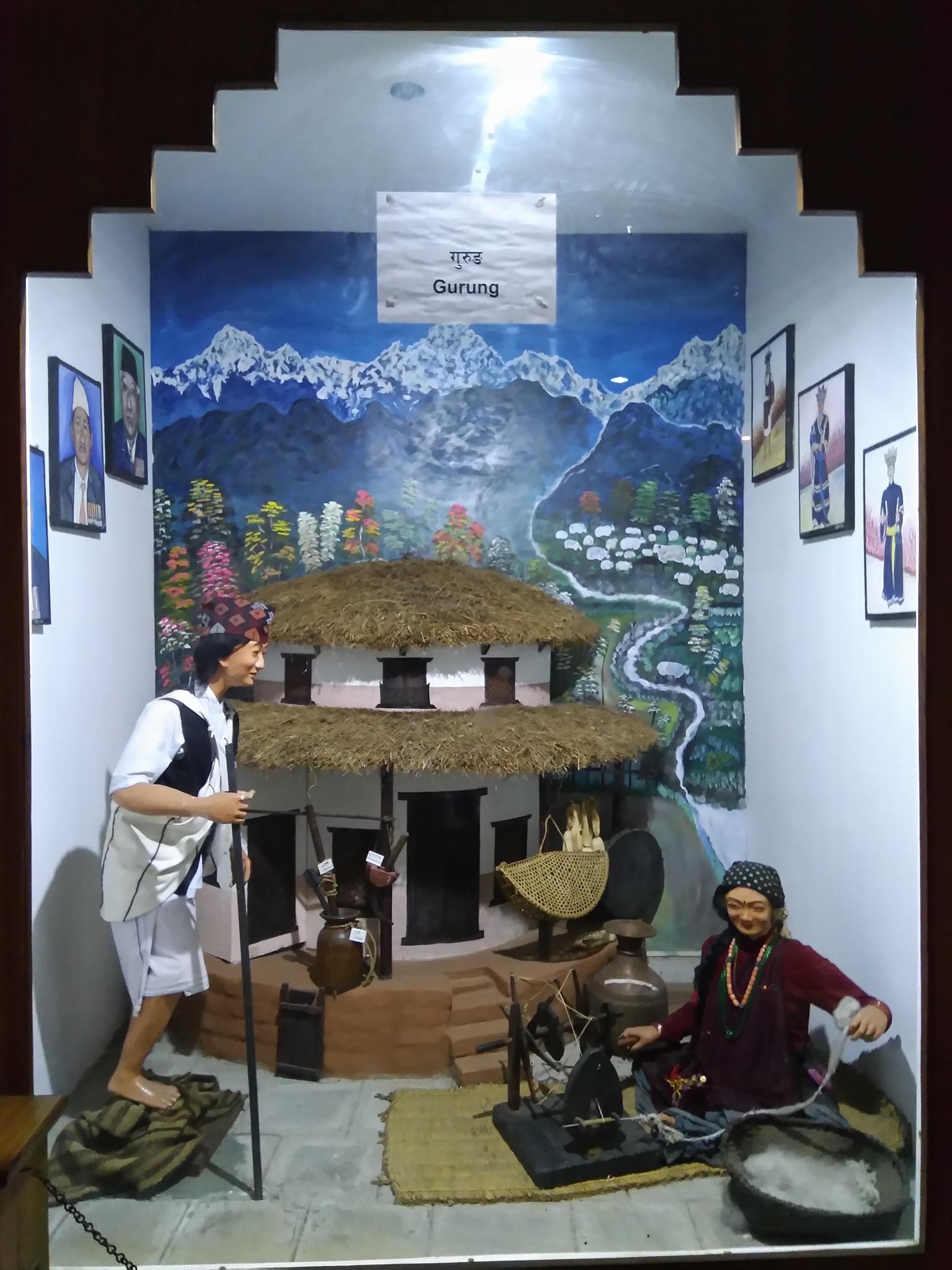
In many Gurung villages women managed fields, grain stores, livestock and family money. When men left for long seasons with the herds or for decades of military service, women ran the household and made key decisions on their own.
Work, exchange and the Rodhi
Young women and men met in the Rodhi, the village social house, where they sang, worked and formed friendships. Women organised shared labour groups for planting and harvest, and their songs carried local history from one generation to the next.
Dress, jewellery and wealth
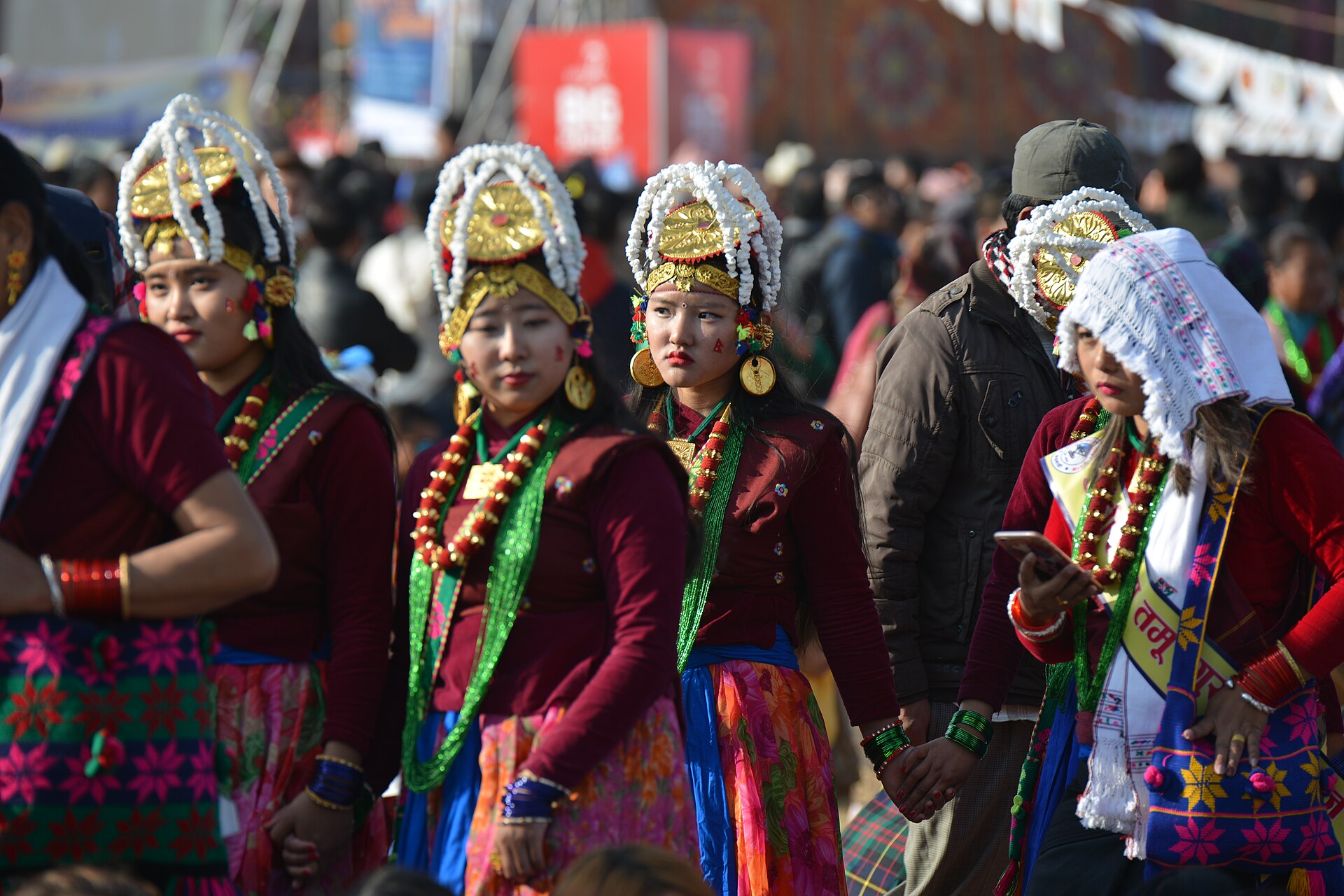
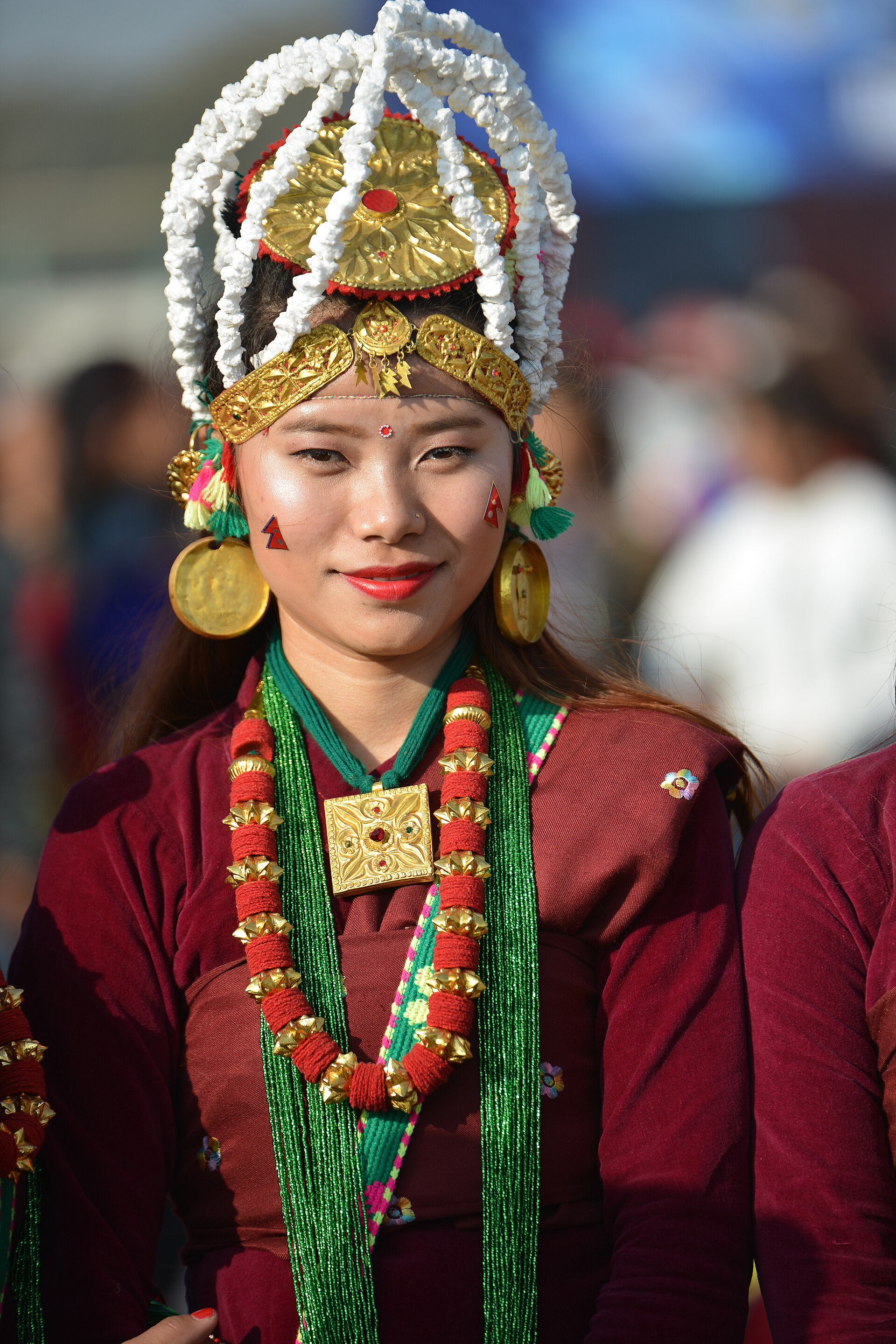
Women’s traditional dress and jewellery, with coral, turquoise and gold, showed family wealth and identity. Jewellery was often a woman’s own property and a form of savings that she controlled.
Change and new roles
From the late twentieth century more Gurung women went to school and college, moved to towns and abroad, and became teachers, nurses, business owners, activists and community leaders. In the diaspora, women’s groups organise much of Lhosar and community life.
Stories to collect
Written history often leaves women out. Life stories of grandmothers and mothers are some of the most valuable things a family can record and share.
Sources & further reading
1A Guide to the Gurungs (online draft; differs from published edition)
Ethnographic guide · Page-level claim citations not yet suppliedThe World of the Gurungs
Longitudinal ethnographic book and film notes · Page-level claim citations not yet suppliedReligion and Ethnic Identity: Gurung Experiences of Belonging in the UK
Oxford doctoral thesis · Page-level claim citations not yet suppliedHeritage grows through conversation.
Know a different local account, or spotted something that needs correcting?
Share your knowledge