How to read this timeline
Early Gurung history comes mostly from oral tradition (pye), place memory and archaeology, so early dates are approximate. From the eighteenth century onward, written records of the Nepali state and later scholarly research give firmer dates. Each period below links to a deeper article in this library.
Ancestral settlements
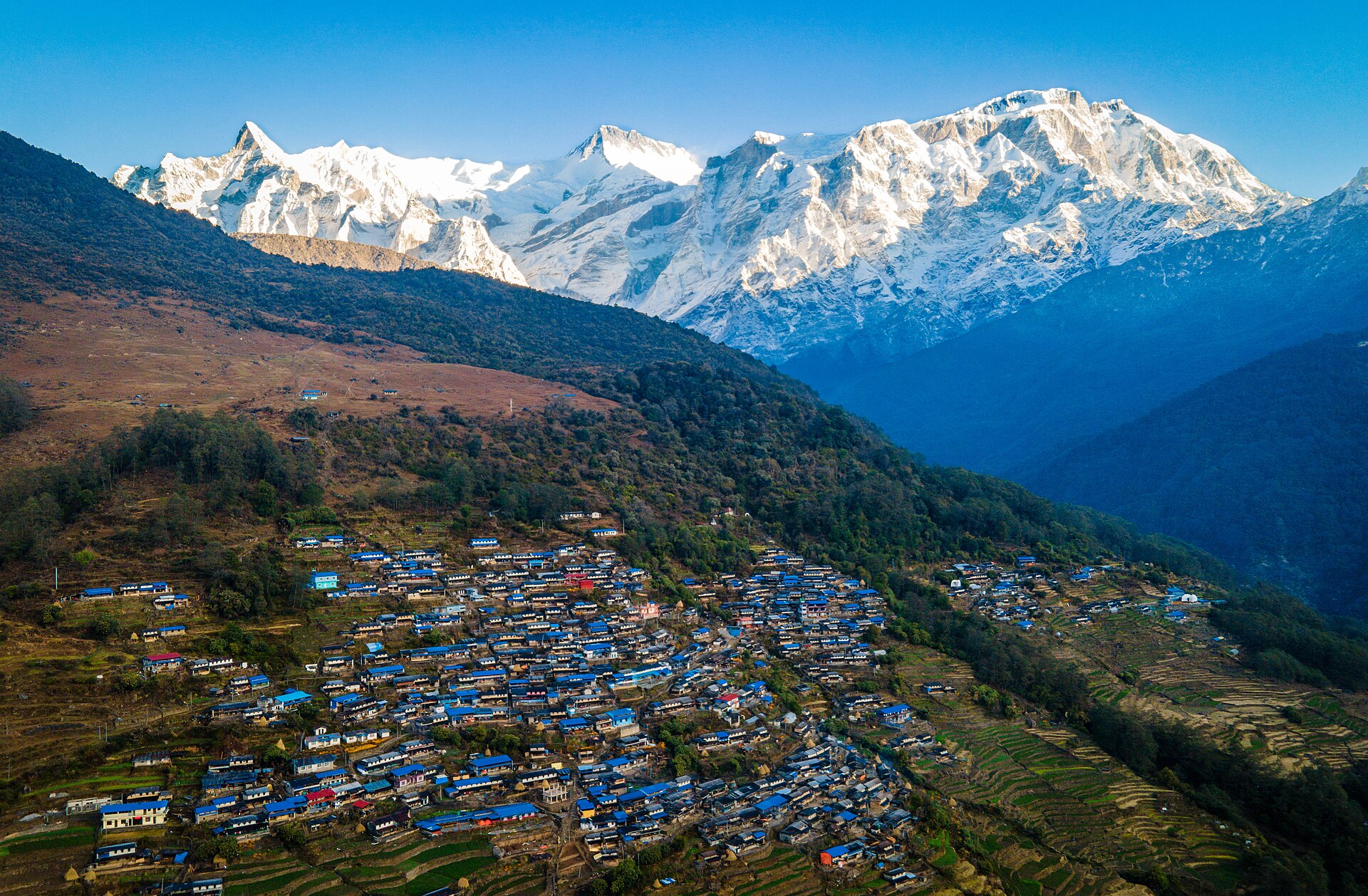
Pye recitations and community memory describe ancestors living in high settlements north of today’s Kaski and Lamjung, with Kohla remembered as an especially important ancestral village. Archaeological survey work led by Christopher Evans with Gurung communities has examined such sites, and it shows how oral tradition and physical remains can be studied together.
Hill chiefdoms and kingdoms
Before modern Nepal, the central hills were divided into many small states. Gurung villages lived within the territories of Kaski, Lamjung and their neighbours. Community traditions remember Ghale leaders as early rulers, while later the Shah and other ruling lineages held power in these kingdoms.
Unification of Nepal (from 1768)
Prithvi Narayan Shah of Gorkha brought Kathmandu Valley under his rule in 1768–69, and his successors absorbed the surrounding hill states, including Gurung areas. Gurungs became subjects of one large kingdom with a single law, taxes and administration based in Kathmandu.
Rana rule and the national legal code (1846–1951)
The Rana family ruled Nepal as hereditary prime ministers from 1846. The 1854 national legal code, the Muluki Ain, placed every community into a ranked caste order. Gurungs were classed among the “liquor-drinking” (matwali) groups. This classification shaped rights, punishments and social status for about a century.
Recruitment into foreign armies (from 1815)
After the Anglo-Nepal War of 1814–16, the British began recruiting hill men from Nepal. Gurungs became one of the main communities recruited into Gurkha regiments of the British and later Indian armies. Military pay, pensions and travel transformed many villages and laid the foundations of today’s diaspora.
Democracy and identity movements (1951–2006)
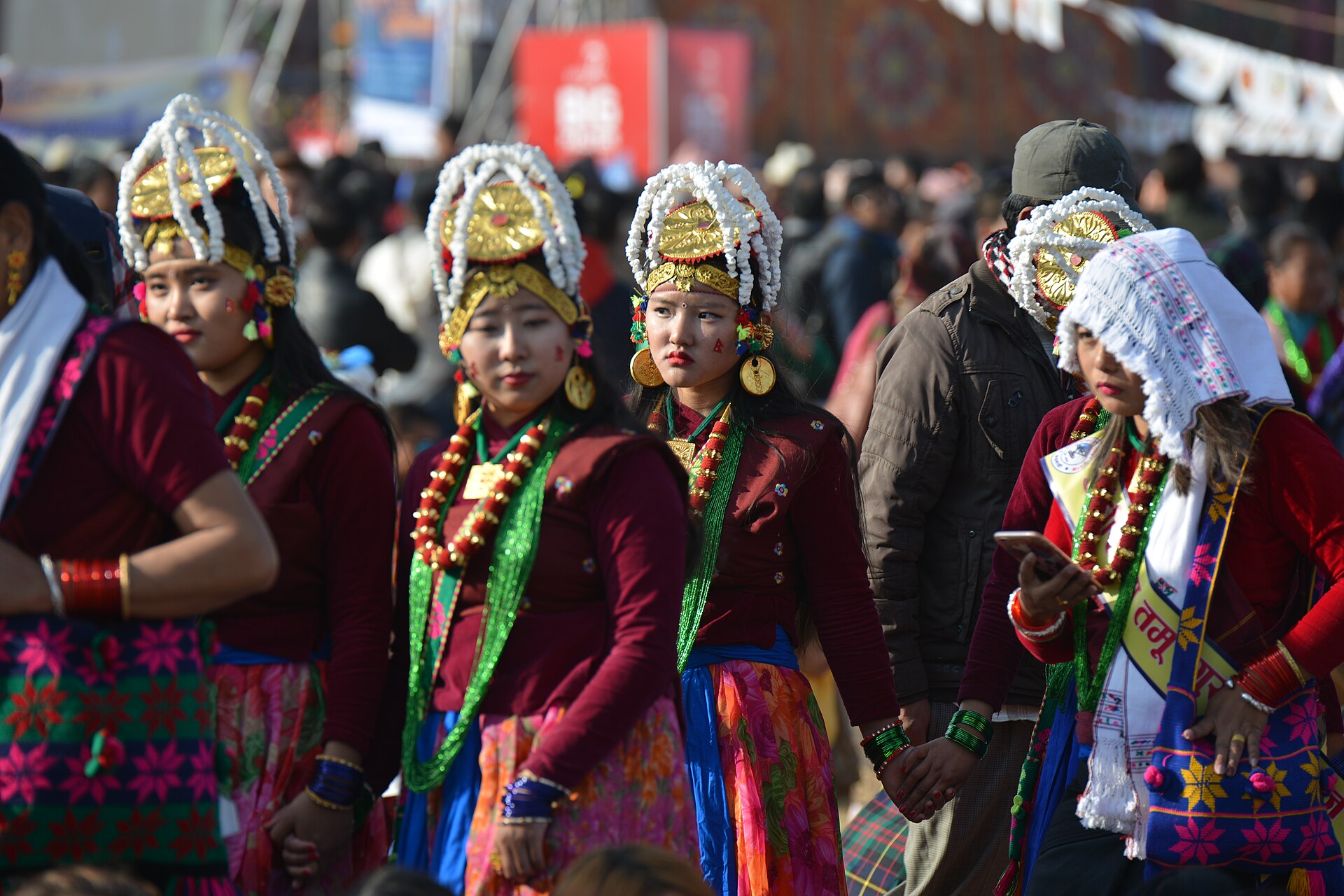
The end of Rana rule in 1951 and especially the restoration of multiparty democracy in 1990 opened space for indigenous organisations. Gurung associations promoted Tamu Kyi, Lhosar, religious traditions and history writing. In 2002 the Nepali state officially listed the Gurung among the country’s recognised indigenous nationalities (Adivasi Janajati).
Federal Nepal and a global community (2006 to now)
Nepal became a federal republic, and the 2015 constitution created provinces; most Gurung homeland areas now lie in Gandaki Province. The 2021 census counts Gurungs as one of Nepal’s larger indigenous communities, while large populations also live in the United Kingdom, Hong Kong, India, the United States and elsewhere.
Sources & further reading
1Grounding Knowledge/Walking Land: Archaeological Research and Ethno-Historical Identity in Central Nepal
Archaeological research · Page-level claim citations not yet suppliedHistorical Processes of Power, Knowledge, and Identity Change in Gurungs
Historical interpretation · Page-level claim citations not yet suppliedA Guide to the Gurungs (online draft; differs from published edition)
Ethnographic guide · Page-level claim citations not yet suppliedCaste, Military, Migration: Nepali Gurkha Communities in Britain
Peer-reviewed research · Page-level claim citations not yet suppliedNational Population and Housing Census 2021: Caste/Ethnicity, Language and Religion
Government census · Page-level claim citations not yet suppliedHeritage grows through conversation.
Know a different local account, or spotted something that needs correcting?
Share your knowledge