Two named local observances
Pol Bahadur Gurung’s 2022 article identifies boys’ haircut and girls’ dress-giving rituals in Sikles as Khyaper Lapa and Nkyuee Chol Peepa. These spellings follow the publication’s abstract; local pronunciations and other transcriptions may differ. The article studies traditions in one village through participant observation, interviews and case studies. The scope matters: naming a rite in Sikles is not proof that every Gurung settlement uses the same name, age, sequence or symbolism.
Recognising a changed social role
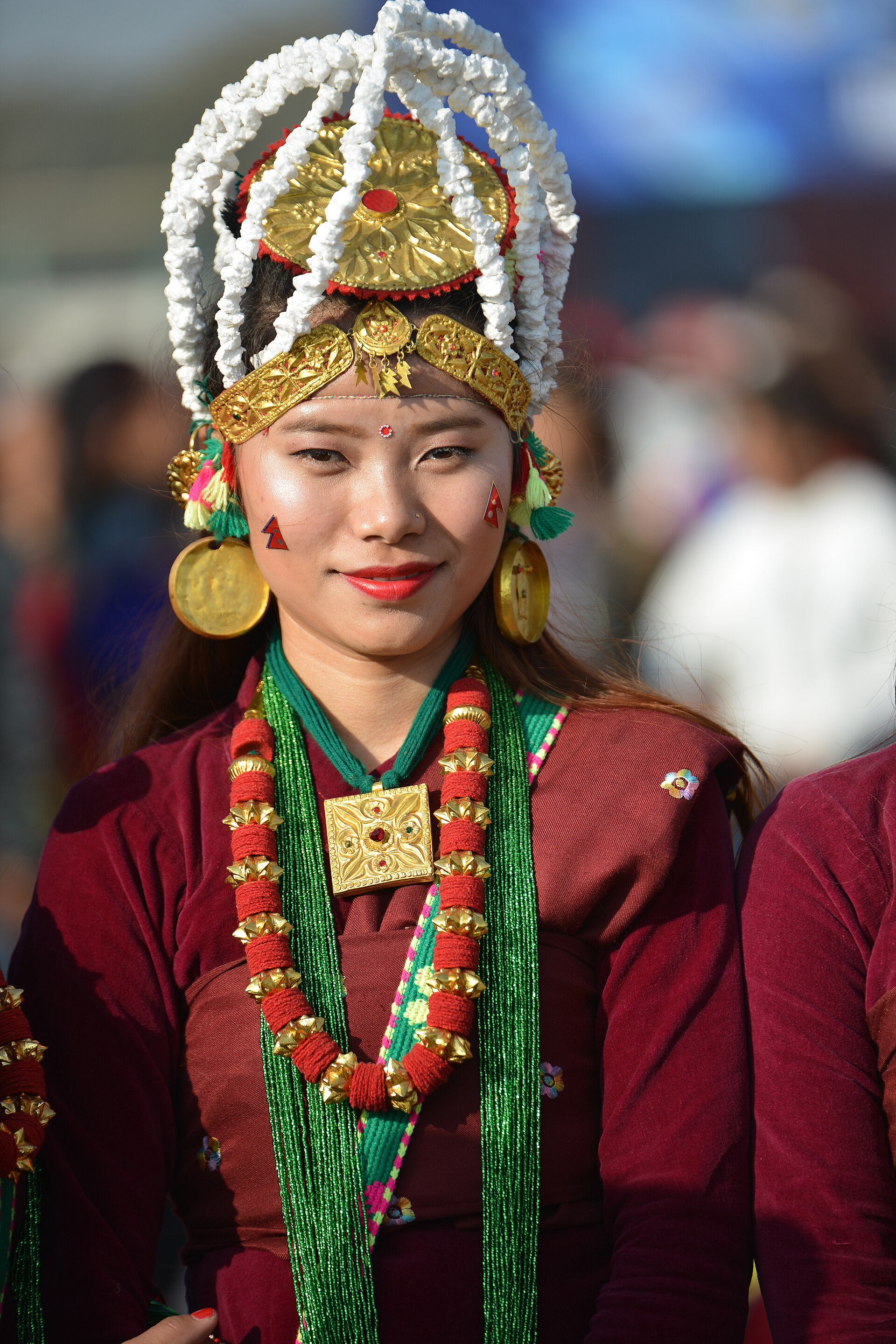
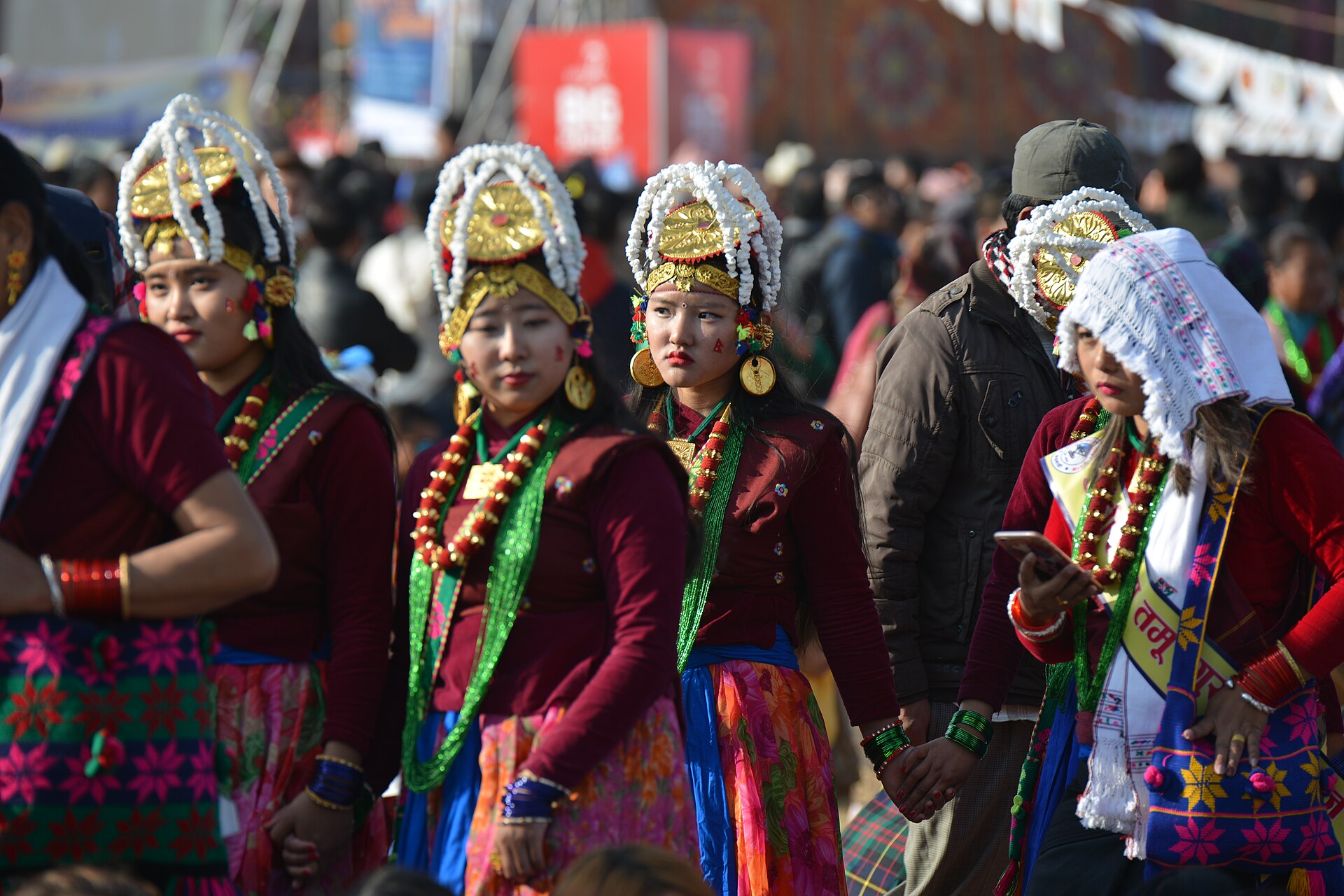
The abstract argues that the initiation rites mark a transition in how boys and girls are recognised by community members. In its discussion of dress giving, it describes girls being treated as mature participants in agricultural and livelihood activities after the rite. This is a description of customary social recognition, not a legal age of adulthood and not a recommendation that children take on adult workloads. Ritual maturity and contemporary rights, schooling and safeguarding are separate questions.
Gifts and the presence of relatives
The study links the ceremonies with gift exchange, blessing and the gathering of close kin and neighbours. A rite concerned with one young person also provides an occasion to renew relationships among the people who attend. Gifts and work make those connections visible: preparing, hosting and offering support can affirm who belongs within a network of relatives. The abstract does not supply enough detail to publish a universal inventory of gifts or a complete ceremonial timetable.
Merit and collective meaning
Gurung’s abstract describes the rites as accumulating merit for family and community and expressing social unity through a division of work. The significance is therefore not limited to changing a hairstyle or receiving an outfit. Those visible actions are placed within a broader network of meaning, obligation and recognition. The archive preserves this distinction without inventing prayers, chants or symbolic explanations absent from the consulted material.
A carefully bounded introduction
The older guide also mentions boys’ first haircut and a custom of girls receiving adult dress. That provides a comparative historical reference, not an exact match with the Sikles study. Only the 2022 article’s abstract was accessible during this research pass; a detailed sequence, photographs or practitioner account would require the full study and appropriate permission. This limitation is stated so that a sourced introduction is not mistaken for a complete ceremonial manual.
Sources & further reading
1Haircut and Dress Giving Rituals of the Gurungs of Sikles Village
Peer-reviewed research · abstract consulted · Page-level claim citations not yet suppliedA Guide to the Gurungs (online draft; differs from published edition)
Ethnographic guide · Page-level claim citations not yet suppliedHeritage grows through conversation.
Know a different local account, or spotted something that needs correcting?
Share your knowledge