A landscape of small states
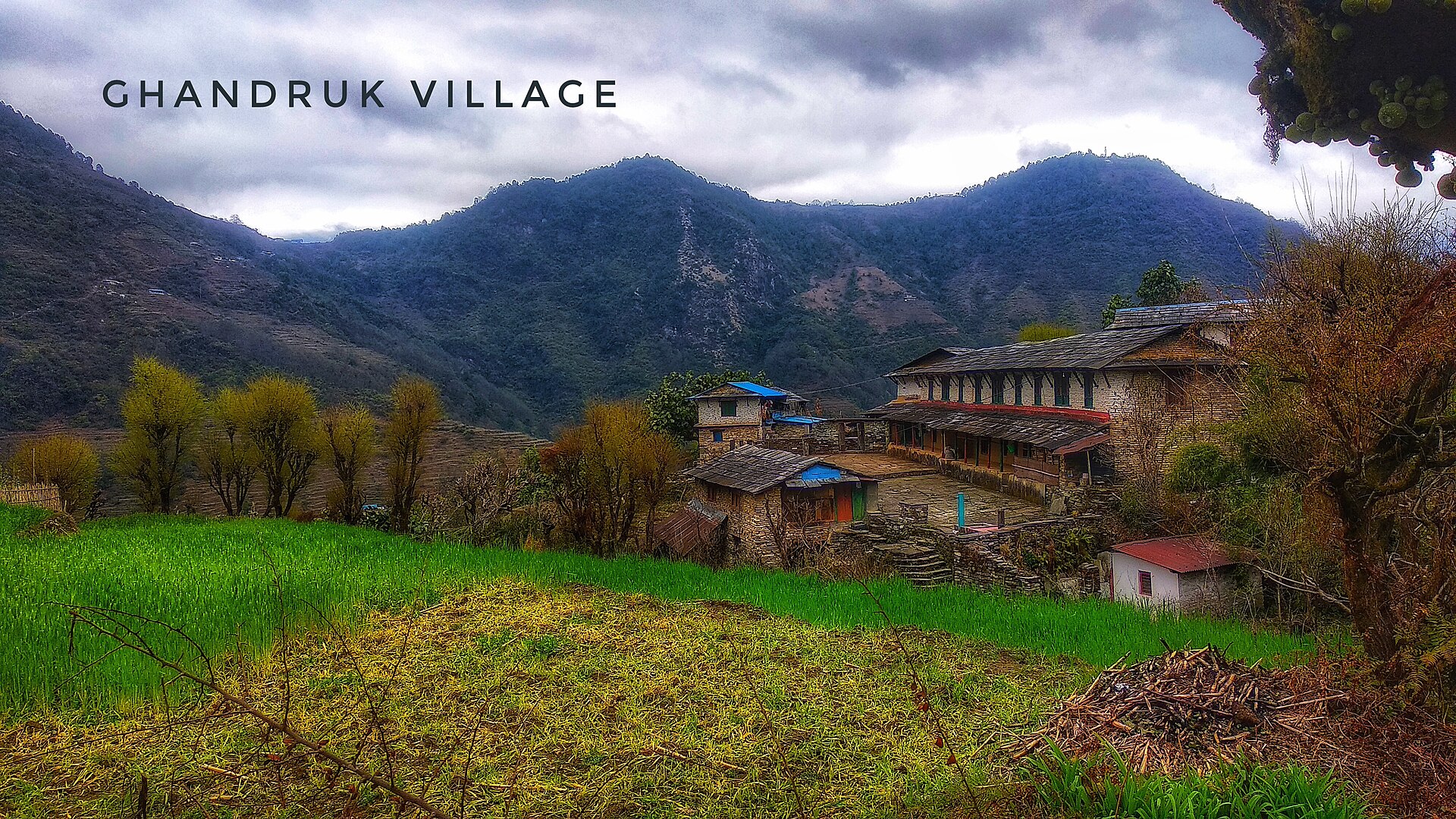
For several centuries the hills of central Nepal were divided into dozens of small kingdoms, often grouped as the Chaubisi (“twenty-four”) states. Kaski and Lamjung, which include much of the Gurung homeland around today’s Pokhara, Ghandruk, Sikles and Besisahar, were among them.
Ghale memories of rule
Many Gurung traditions remember Ghale chiefs as the earlier rulers of the region, before newer ruling lineages took power. Mani Raj Gurung’s historical study discusses how power, knowledge and identity shifted between these groups. Exact dates and events are uncertain and vary by village story.
Village life under the kingdoms
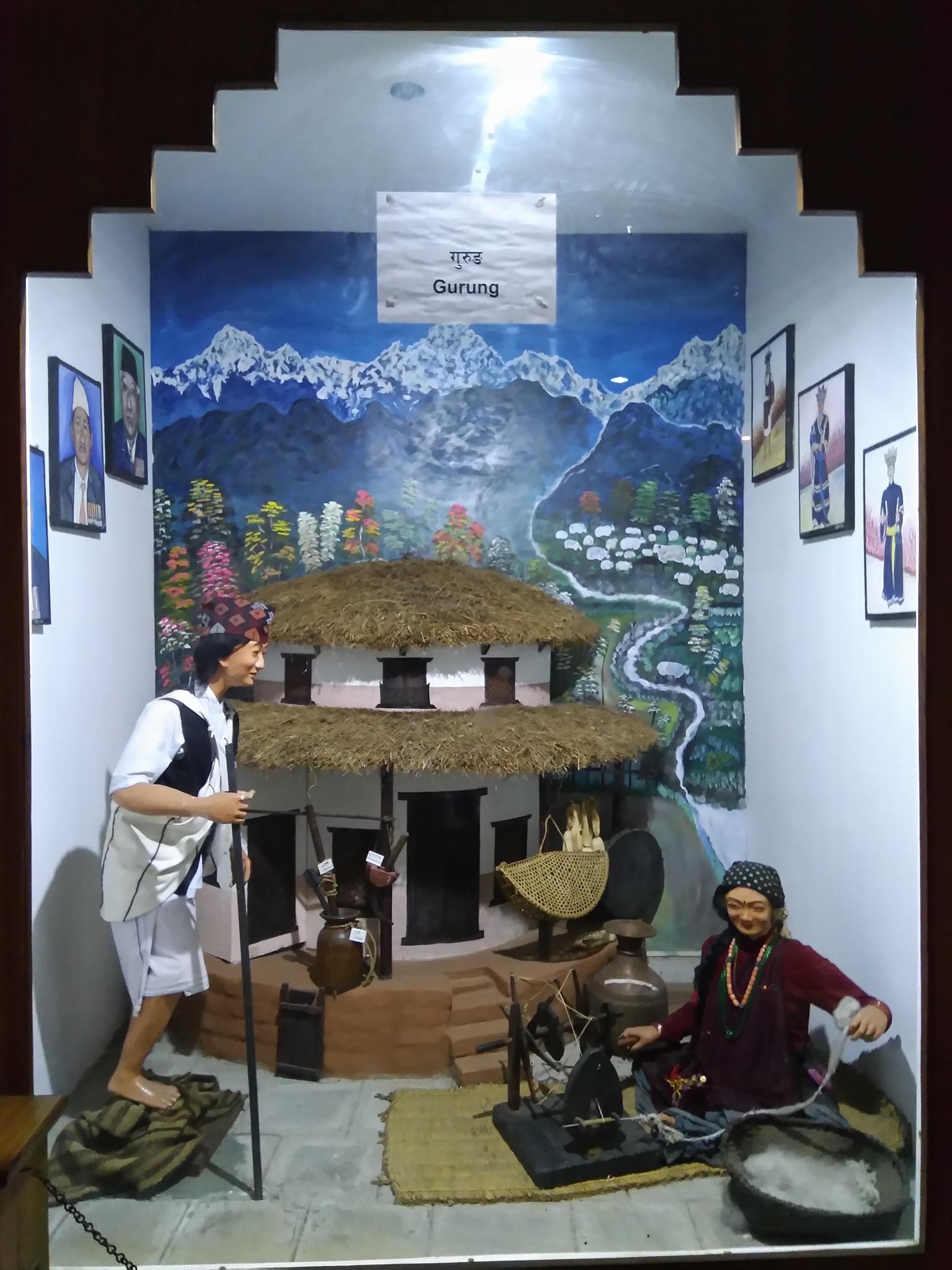
Gurung villages kept much of their own way of life: local headmen, clan customs, priests such as pachyu and klyepri, and seasonal farming and herding. Ties to the royal court came mainly through tribute, labour duties and local officials.
Lamjung and the rise of Gorkha
The Shah dynasty that later unified Nepal traced its origin to Lamjung before establishing itself in Gorkha. This makes the Gurung heartland part of the background story of the modern Nepali state, even though historians caution against reading later national history back into village life.
Sources & further reading
1Historical Processes of Power, Knowledge, and Identity Change in Gurungs
Historical interpretation · Page-level claim citations not yet suppliedA Guide to the Gurungs (online draft; differs from published edition)
Ethnographic guide · Page-level claim citations not yet suppliedHeritage grows through conversation.
Know a different local account, or spotted something that needs correcting?
Share your knowledge